


Mount Kilimanjaro Expeditions
Mount Kilimanjaro Climbing Tours

Climb Mount Kilimanjaro With Expert Guides
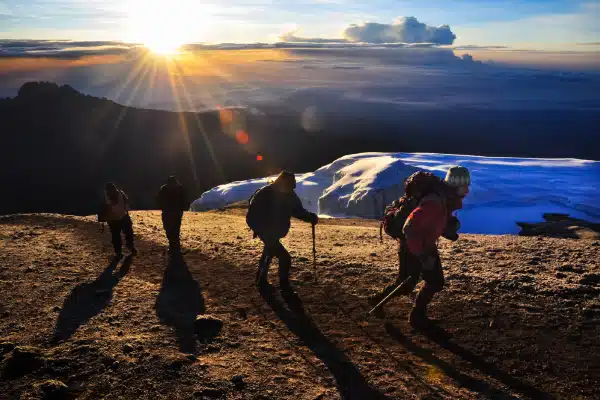
Mount Kilimanjaro is more than a climb it’s a personal challenge and a once in a lifetime experience. Standing at 5,895 metres, Africa’s highest peak demands preparation and determination.
Our guided climbs are carefully planned for safety, comfort, and summit success, with multiple routes and durations to suit different fitness levels. From acclimatisation strategies to expert crews, every detail is handled so you can focus on reaching Uhuru Peak.
Why Climb Kilimanjaro With Us
Everything about your Kilimanjaro climb is planned to improve safety, comfort, and your chances of reaching the summit.
Expert Mountain Guides
Our Kilimanjaro climbs are led by certified, highly experienced mountain guides who know the terrain, weather patterns, and altitude challenges inside out.
Safe Acclimatisation Routes
We use proven routes and pacing strategies designed to help your body adjust to altitude properly, increasing summit success and reducing health risks.
All-Inclusive Climb Support
From park permits and mountain crews to meals, equipment handling, and logistics, absolutely everything is expertly organised so you can focus fully on the climb.
Mount Kilimanjaro Climbing Tours
Climb Mount Kilimanjaro With Confidence
Join a professionally guided Mount Kilimanjaro climb designed for safety, comfort, and summit success. Every step is planned to help you reach the top with confidence.
Your Journey to the Roof of Africa
Mount Kilimanjaro is more than a climb it’s a life-changing challenge that requires expert planning and experienced support. Our tours are designed to give you the best chance of reaching the summit while enjoying every step of the journey.
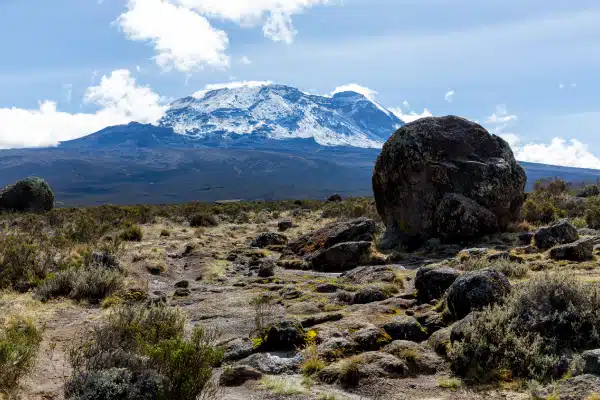
With proper acclimatisation, well-chosen routes, and professional local guides, you’ll experience everything from lush rainforest trails to snow-capped peaks. Safety-first planning, quality equipment, and full logistical support mean you can focus entirely on the climb.
Mount Kilimanjaro Climbing FAQs
Planning a Mount Kilimanjaro climb raises many questions. Here, we cover the essentials routes, difficulty, safety, and what to expect so you can prepare confidently and climb with expert support.
How difficult is it to climb Mount Kilimanjaro?
Climbing Mount Kilimanjaro is physically demanding but achievable for most people with a reasonable level of fitness. No technical climbing skills are required. The biggest challenge is altitude, which is why our itineraries prioritise gradual ascents and proper acclimatisation to maximise summit success and safety.
Which Kilimanjaro route is best for first-time climbers?
The Machame and Lemosho routes are ideal for first-time climbers due to their longer durations and better acclimatisation profiles. These routes offer higher success rates and stunning scenery. Our team will help you choose the route that best suits your fitness level and schedule.
How many days does it take to climb Mount Kilimanjaro?
Most Mount Kilimanjaro climbs take between 6 and 9 days, depending on the route selected. Longer itineraries significantly improve acclimatisation and increase your chances of reaching the summit safely.
What is the best time of year to climb Mount Kilimanjaro?
The best climbing seasons are January to March and June to October, when weather conditions are generally more stable and visibility is at its best. Climbs are available year-round, and we provide guidance on the pros and cons of each season.
What equipment do I need for a Kilimanjaro climb?
You will need proper trekking and cold-weather gear, as temperatures vary from warm rainforest to freezing summit conditions. We provide a detailed packing list and can assist with high-quality gear rentals in Tanzania if needed.